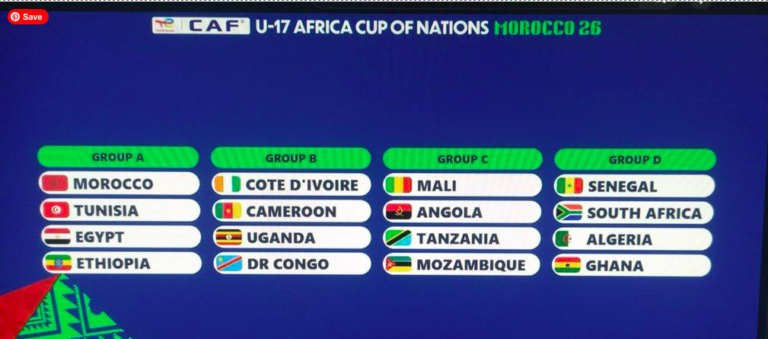
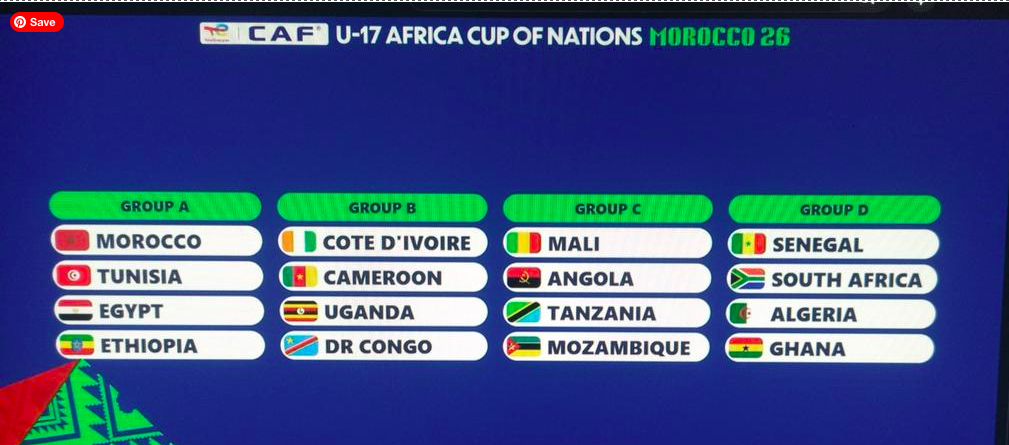
Ghana’s U-17 national team, the Black Starlets, have been handed a difficult task after being drawn into a challenging Group D for the 2026 U-17 Africa Cup of Nations (AFCON) in Morocco.
The draw, conducted by the Confederation of African Football (CAF) in Cairo on Wednesday, placed Ghana alongside strong opponents Senegal, South Africa, and Algeria.
The group has already been labelled the “Group of Death”, highlighting the intense competition the Black Starlets will face as they attempt to make a strong return to the continental stage.
Defending champions Senegal head into the tournament as one of the favourites, while South Africa and Algeria are known for their tactical discipline and technical quality. This makes every match in the group a high-stakes battle.
Ghana will be returning to the U-17 AFCON for the first time since 2017, and the team will be eager to revive its proud legacy in youth football.
The tournament, scheduled to take place in Morocco from May 13 to June 2, 2026, will also serve as the African qualifiers for the 2026 FIFA U-17 World Cup.
The top two teams from each group will advance to the knockout stage and secure qualification for the World Cup. Meanwhile, third-placed teams will compete in playoffs for the remaining two World Cup slots.
For the Black Starlets, the mission is clear survive the tough group stage and take the first step toward returning to the global stage.
The Senegalese Football Federation (FSF) has strongly opposed a shocking decision by the Confederation of African Football (CAF) Appeals Jury to strip Senegal of its 2025 Africa Cup of Nations crown months after the tournament concluded in Morocco.
In a dramatic turn of events, CAF announced on Tuesday that Senegal’s AFCON triumph had been annulled, awarding a 3-0 victory and effectively the title to the Morocco national football team. The ruling followed a successful appeal lodged by the Royal Moroccan Football Federation (FRMF), overturning an earlier verdict by CAF’s Disciplinary Board.
Controversy Surrounding the Final
The decision stems from chaotic scenes during the final match when the Senegal national football team players walked off the pitch for over 17 minutes in protest of a late penalty awarded to Morocco.
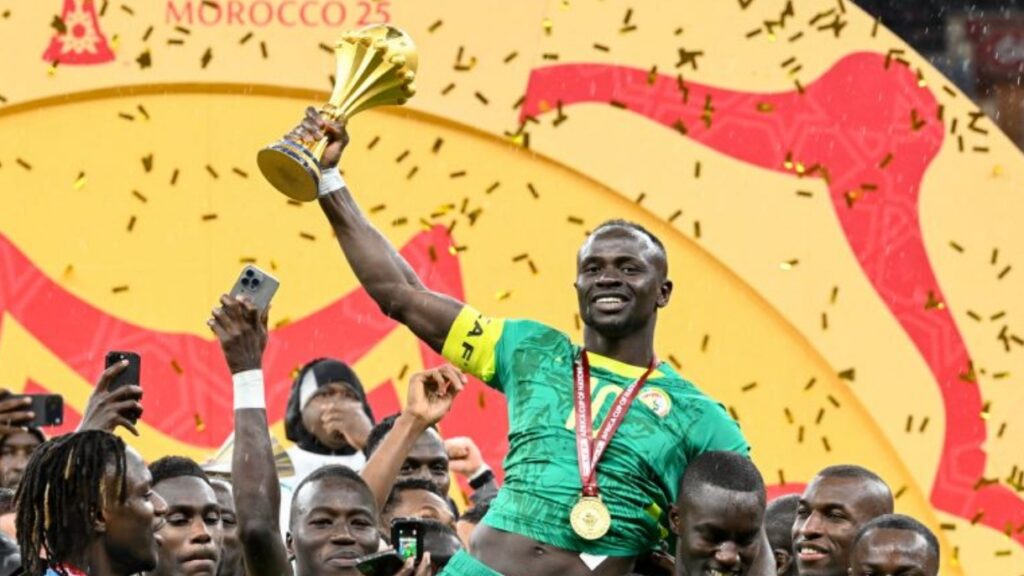
After intervention from captain Sadio Mané, the Senegalese players returned to resume the game. The Teranga Lions eventually secured a narrow victory, thanks to a decisive goal from Pape Gueye, after Brahim Díaz missed the controversial penalty that had sparked the protest.
However, CAF later ruled that Senegal’s actions violated competition rules. Citing Articles 82 and 84 of the tournament regulations, the governing body determined that the team’s conduct warranted forfeiture of the match.
Senegal Set for Legal Battle
In response, the FSF has firmly rejected the ruling and confirmed plans to challenge the decision at the Court of Arbitration for Sport (CAS) in Lausanne.
“To defend its rights and the interests of Senegalese football, the federation will initiate proceedings before the Court of Arbitration for Sport as soon as possible,” the FSF stated.
Additional Sanctions and Decisions
CAF’s Appeals Board also reviewed other incidents from the heated final. Ismael Saibari of Morocco was found guilty of misconduct, though his punishment was reduced to a two-match suspension, with one match suspended. A previously imposed fine of $100,000 was also отменён.
Meanwhile, the Moroccan federation was held accountable for the behavior of ball boys during the match, with their fine reduced to $50,000. However, CAF upheld a separate $100,000 fine related to interference near the VAR review area, while a sanction linked to a laser incident was reduced to $10,000.
All other appeals submitted in relation to the final were dismissed, closing one chapter of the controversy while potentially opening another as the case heads toward CAS.
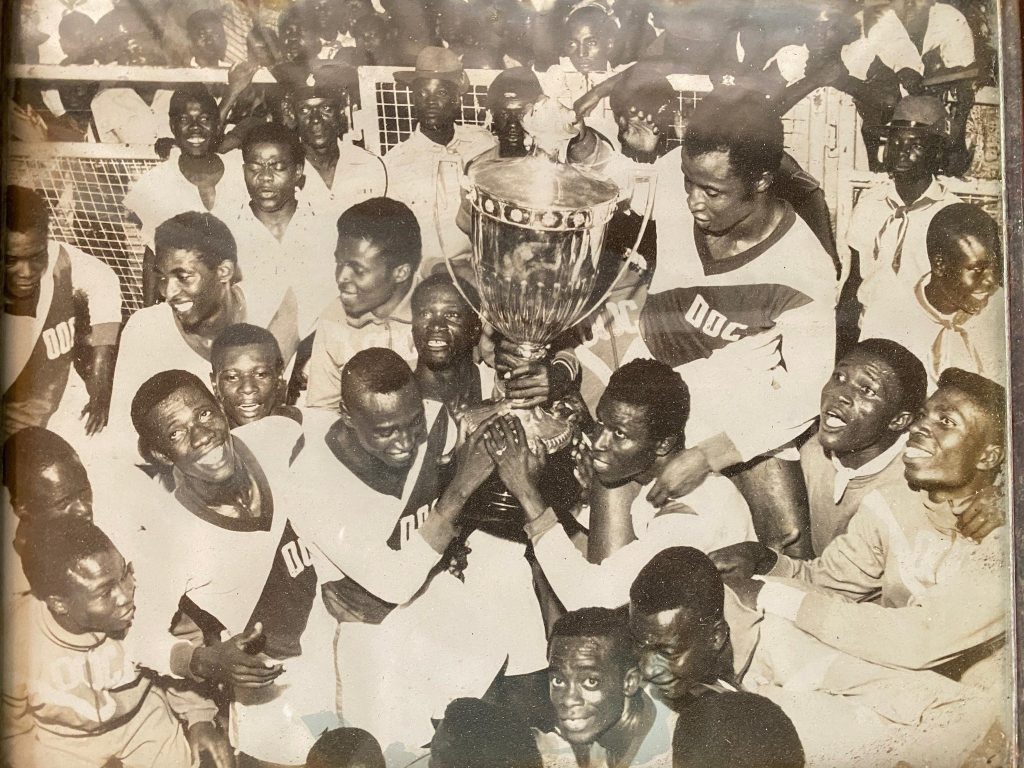
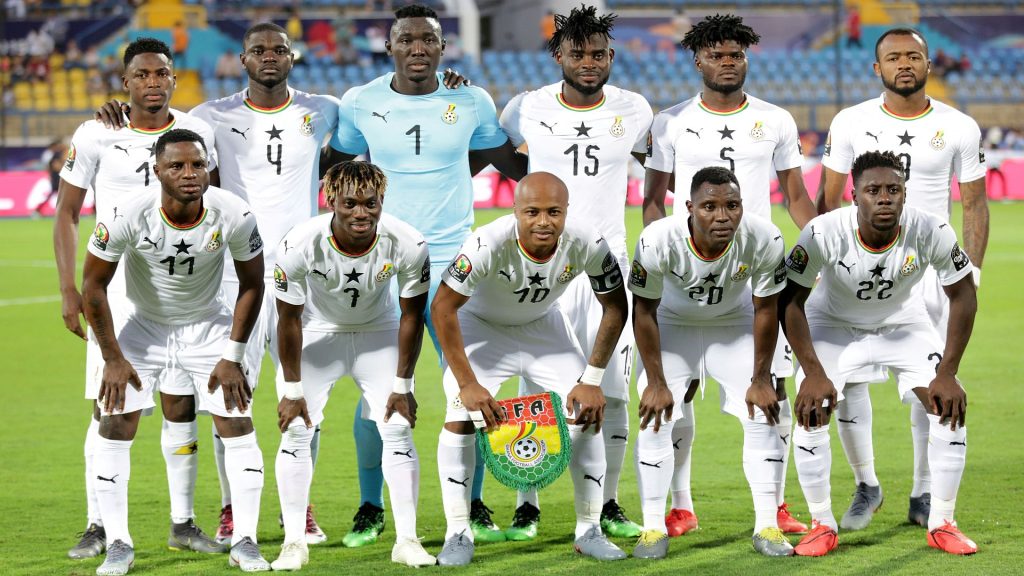
Ghana is marking the 48th anniversary of its memorable triumph at the Africa Cup of Nations in 1978, when the Ghana national football team defeated Uganda national football team 2-0 in the final at the Accra Sports Stadium.
The victory on March 16, 1978, remains one of the most significant moments in Ghana’s football history, as the country became the first nation to win the continental tournament three times and permanently keep the AFCON trophy.
Ghanaian forward Opoku Afriyie was the hero of the final, scoring both goals that secured the win and cemented his place among the country’s football legends.
The Black Stars squad was led by captain Awuley Quaye and featured several iconic players who played key roles in Ghanaian football during that era. Among them were midfield maestros Karim Abdul Razak and Mohammed Polo.
Ghana’s 1978 AFCON Squad
Goalkeepers: Joseph Carr, Abdulai Chesco, Fuseini Salifu
Defenders: P.S.K. Paha, Ofei Ansah, Haruna Yusif, Isaac Acquaye, Awuley Quaye, James Kuuku Dadzie, Justice Moore
Midfielders: Adolf Armah, John Nketia Yawson, Addae Kyenkyehene, Karim Abdul Razak, Mohammed Polo
Forwards: Dan Kayede, George Alhassan, Emmanuel Quarshie, Opoku Afriyie, Anas Seidu, Willie Klutse, Kuntu Blankson
The 1978 success remains one of Ghana’s proudest football achievements. The Black Stars later captured their fourth AFCON title in 1982 but have since been unable to reclaim the continental crown despite reaching multiple finals over the decades.
The 2025 Africa Cup of Nations in Morocco has already made history, setting a new benchmark as the most prolific edition ever. With 120 goals scored before Sunday’s final, the tournament has eclipsed the previous record of 102 goals achieved at AFCON 2019 in Egypt.
The milestone underlines the attacking intent, growing technical level, and self-belief shown by teams across the continent, as matches consistently delivered excitement and end-to-end action.
Star forwards and rising talents shine
Africa’s heavyweight nations have powered the scoring spree. Morocco, Senegal, Nigeria, and Côte d’Ivoire all displayed impressive depth in attack, while young prospects stepped up to rival established names in decisive moments.
Morocco’s Brahim Díaz currently tops the scoring chart with five goals, with Egypt’s Mohamed Salah and Nigeria’s Victor Osimhen close behind on four each. With the third-place match and final still to come, the Golden Boot race is far from settled.
Bold tactics drive attacking football
AFCON 2025 has been marked by a clear tactical shift, as coaches opted for more adventurous approaches that gave attackers greater freedom to express themselves.
Dramatic comebacks, last-minute winners, and high-tempo clashes became hallmarks of the tournament, thrilling supporters from the group phase through to the knockout rounds.
The expanded 24-team format has added variety and competition without sacrificing quality, proving that a larger field can still produce entertaining, goal-heavy football.
Reaching 120 goals is about more than statistics. It reflects a transformation in African football, with players more adaptable, technically polished, and physically ready than ever before.
Teams are increasingly choosing creativity and attacking ambition over defensive caution, and the vibrant atmosphere inside Morocco’s packed stadiums only amplified the spectacle of a tournament defined by goals, energy, and evolution.
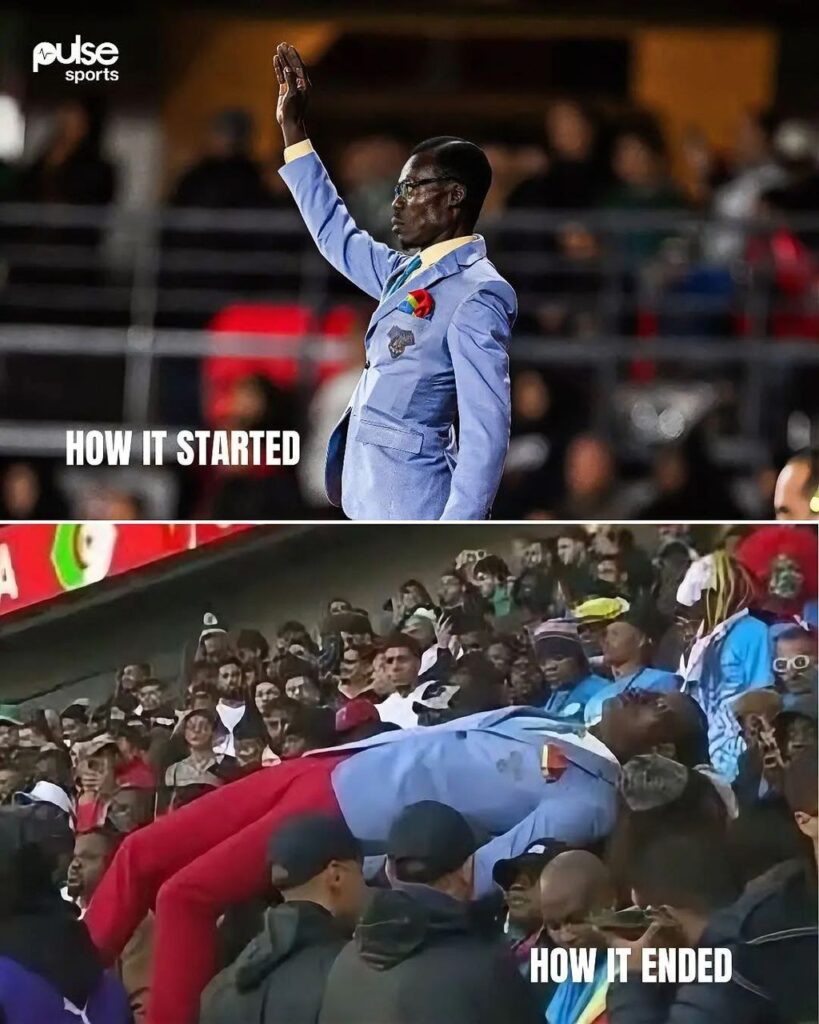
The Africa Cup of Nations (AFCON) has a special way of reminding everyone why it is the most unpredictable tournament in world football. One moment, you are standing tall, celebrated like a hero. The next, football reality hits hard. AFCON does not forgive, it humbles.
For 119 minutes, DR Congo stood firm. Disciplined, fearless, and full of belief, they matched Algeria step for step in a tense battle that tested nerves, legs, and hearts. Every tackle mattered. Every clearance felt like a goal. The Congolese bench believed. The fans believed. Even neutrals could sense something special was unfolding.
On the touchline, emotions ran high. Confidence turned into hope, and hope flirted with history. It looked like one of those AFCON nights where resilience wins and underdogs write their own story. The atmosphere said it all — this was African football at its rawest.
Then came the moment that changed everything. Just when it seemed penalties were inevitable, Algeria found the breakthrough. One decisive action. One cruel twist. After 119 minutes of resistance, the wall finally cracked. Dreams that had stood so strong suddenly collapsed under the weight of reality.
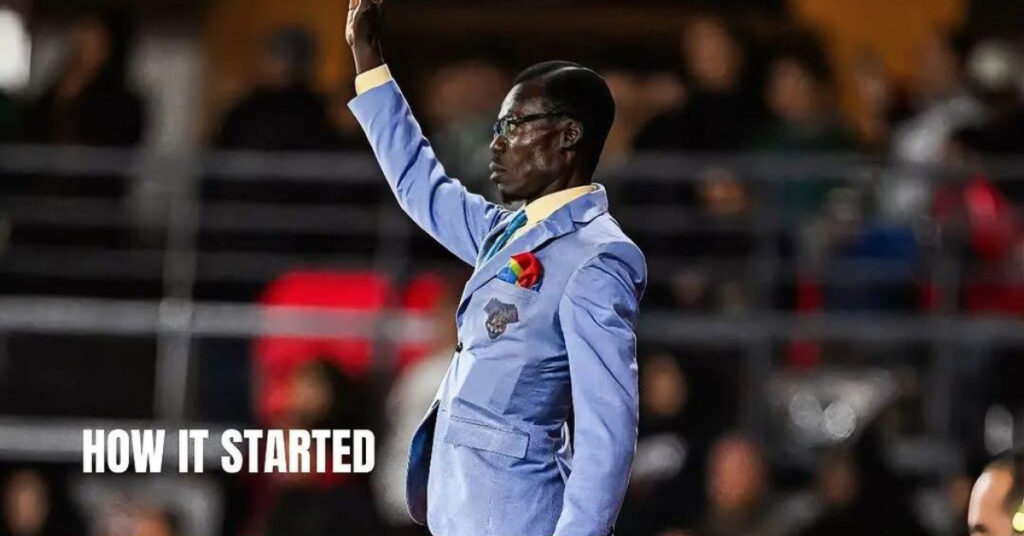
The images told the story better than words ever could — from standing tall in pride to being carried away in disbelief. A powerful reminder that in AFCON, nothing is guaranteed until the final whistle.
This is why we love this tournament. This is why AFCON commands respect. It gives hope, delivers heartbreak, and produces unforgettable drama in equal measure.
AFCON Will Humble You: 119 Minutes of Courage Before Algeria’s Late Heartbreak
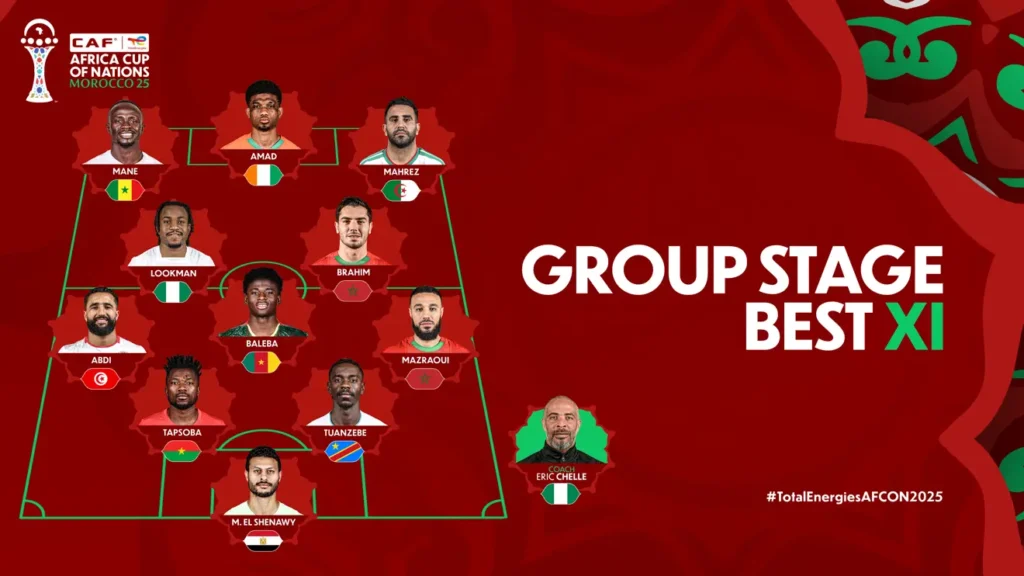
Important players like Mohamed El Shenawy, Riyad Mahrez, Sadio Mané, and Amad Diallo have stood out as game-winners for their respective sides during the thrilling group stage of the 2025 Africa Cup of Nations in Morocco.
These players have shown their value on the European scene, from Mahrez’s leadership in attack to El Shenawy’s dominant presence in goal. The most reliable, powerful, and important group stage performers—those whose performances have set the tone for the knockout stages—are honored in the Best XI that follows.
Coach: Eric Chelle (Nigeria)
The Nigerian national team demonstrated tactical mastery and a tight team structure under Eric Chelle’s leadership. Chelle’s strategy was characterized by a strong defensive setup, fast transitions, and allowing attacking players to express themselves freely.
Nigeria demonstrated a balanced style of play during the group stage because to his great vision and steady decisions. One of the highlights of the group stage was Chelle’s ability to maximize his team’s potential and create a shared identity.
The Best XI of AFCON 2025’s group stage highlights the diversity and quality of African football. With experienced leaders like El Shenawy and Mahrez, combined with the youthful energy of Diallo and Baleba, these players have set the stage for a thrilling knockout phase. Their performances not only reflect individual brilliance but also the growing strength of African football on the global stage.
• Sadio Mané (Senegal): Even in the most tightly contested matches, Sadio Mané remained a constant threat. His pressing, intelligent movement, and clinical finishing meant that defenders always had to be alert. Mané’s leadership on the field was clear, as he led by example, often scoring or assisting in crucial moments. His relentless work ethic and ability to make the difference in big moments were key to Senegal’s success, reaffirming why he is considered one of the best African players of his generation.
• Amad Diallo (Ivory Coast): Diallo was a dynamo for Ivory Coast, using his explosive pace and unpredictability to create chaos in opposition defenses. His ability to take on defenders and produce moments of brilliance in the final third made him a key player for the Ivorian side. Diallo’s flair and creativity injected energy into every attack, making him one of the standout attacking players of the group stage. His dribbling and link-up play were vital to Ivory Coast’s attacking success.
• Riyad Mahrez (Algeria): As Algeria’s captain, Mahrez delivered with masterful playmaking and leadership. His vision, exquisite passing, and composure under pressure made him the central figure in Algeria’s attack. Although more of a playmaker than a traditional winger, Mahrez’s ability to dictate the tempo and produce decisive moments ensured Algeria remained a formidable force in the tournament. Whether it was a key pass or a perfectly executed free-kick, Mahrez’s presence was felt in every match.
• Ademola Lookman (Nigeria): The Nigerian forward turned midfielder, Lookman was a constant threat with his direct running, creativity, and eye for goal. His versatility allowed him to play both as an attacking midfielder and winger, and his movement off the ball was a nightmare for defenders. Lookman’s intelligence in finding pockets of space and his ability to produce key passes in critical moments made him one of the group stage’s most dangerous players.
• Carlos Baleba (Cameroon): The Cameroonian midfielder was a physical and tactical revelation. His powerful runs, tireless work rate, and composure on the ball were standout qualities throughout the group stage. Baleba played a key role in both defensive recovery and offensive transitions, providing balance to the Cameroon midfield. His ability to cover large areas of the pitch, win duels, and break up opposition attacks made him one of the most impactful players in the group stage.
• Brahim Diaz (Morocco): Brahim Diaz was one of the most exciting players of the group stage. Positioned just behind the strikers, his creativity, vision, and technical ability stood out. His dribbling skills and clever movement constantly disrupted defensive blocks, and he was often the catalyst for Morocco’s attacking play. Diaz’s ability to unlock defenses with his passing and his drive to make things happen made him an indispensable part of the Moroccan midfield.
• Yahia Attiat-Allah El Abdi (Morocco): On the left side, El Abdi was the embodiment of consistency. Rarely beaten by opposition wingers, his defensive reliability was matched by his ability to support offensive moves. His tactical discipline ensured Morocco maintained balance in defense while also contributing to their fluid attack. El Abdi’s steady performances allowed Morocco to dominate possession and nullify attacking threats.
• Edmond Tapsoba (Burkina Faso): As the Burkina Faso captain, Tapsoba was an imposing force in the center of defense. A master of anticipation, he was excellent in one-on-one situations and crucial in building play from the back. Tapsoba’s composed demeanor and sharp decision-making were key to Burkina Faso’s success in tight games. His leadership at the back was exemplary, making him one of the standout defenders of the group stage.
• Axel Tuanzebe (DR Congo): The DR Congo defender stood tall in the group stage with a blend of physicality and calmness under pressure. Tuanzebe proved to be one of the most reliable defenders, rarely caught out of position and dominant in aerial duels. His ability to read the game and shut down offensive threats before they became dangerous was crucial for his team. His performance reflected both maturity and skill, earning him a spot in the Best XI.
• Noussair Mazraoui (Morocco): Playing on the right side of defense, Mazraoui reaffirmed his status as one of the continent’s top fullbacks. His intelligent positioning, technical brilliance, and defensive discipline made him an essential figure in Morocco’s solid backline. But beyond defense, his ability to join the attack with pace and vision was pivotal in helping Morocco control games. Mazraoui’s tactical awareness and influence in building from the back were integral to the team’s success.
Goalkeeper: Mohamed El Shenawy (Egypt)
At 36 years old, Mohamed El Shenawy has shown that age is no obstacle to excellence. The Egyptian captain played a crucial role in guiding his team through a challenging group stage with remarkable composure and skill. His commanding presence on the line, authority in the air, and impeccable positioning made him a pillar for Egypt, often preventing opposition from scoring in high-pressure moments. El Shenawy’s leadership and experience were invaluable, reminding everyone that in a tournament like the Africa Cup of Nations, an experienced goalkeeper can make all the difference.
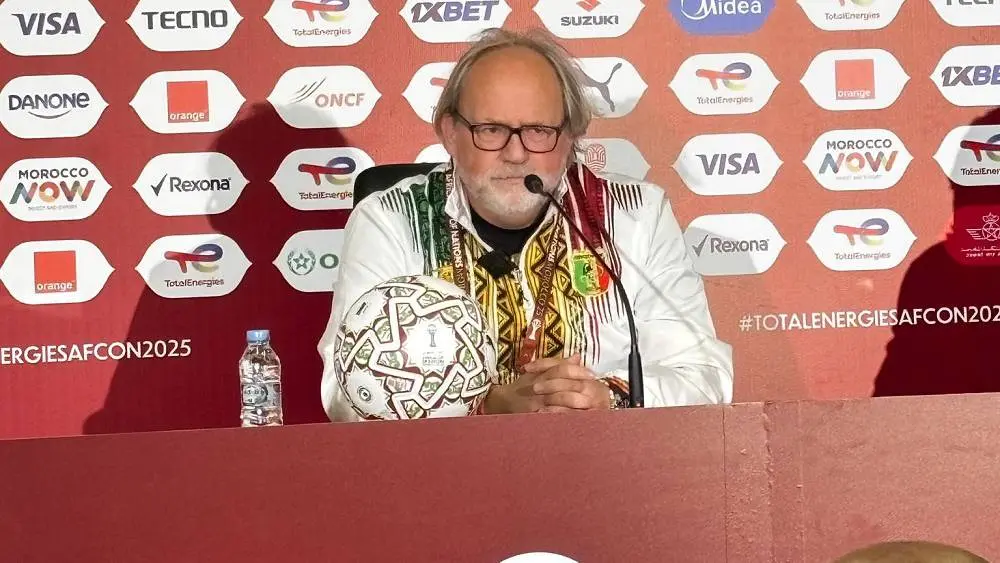
Tom Saintfiet, the head coach of Mali, has voiced his displeasure with CAF’s choice to switch the Africa Cup of Nations (AFCON) to a four-year cycle.
Dr. Patrice Motsepe, president of the Confederation of African Football (CAF), declared earlier this year that AFCON would be contested every four years beginning with the 2028 edition, coupled with the establishment of a new Nations League.
The goal of the modification is to bring Africa’s top competition into line with other significant events, such the UEFA European Championship.
Saintfiet did not hold back while speaking ahead of Mali’s second Group stage match against Morocco, describing the action as “deeply troubling.”
I’m shocked with it, very disappointed. It’s all instructed by the big people in UEFA, the big clubs from the five leagues, and also by FIFA, and that makes me so sad.
“I’m sad about that, and I hope the love for Africa would win out over the pressure of Europe.
Saintfiet added that the new cycle disregards the continent’s football heritage.
“We fight so long to get respected in Africa, for African people and Africa’s own identity to get respected, but then to listen to Europe to change your history, a 68-year history, for financial reasons…I think we disrespect [Africa] by going to four years,” he added.
On the field, Mali opened their 2025 AFCON campaign with a 1-1 draw against Zambia.
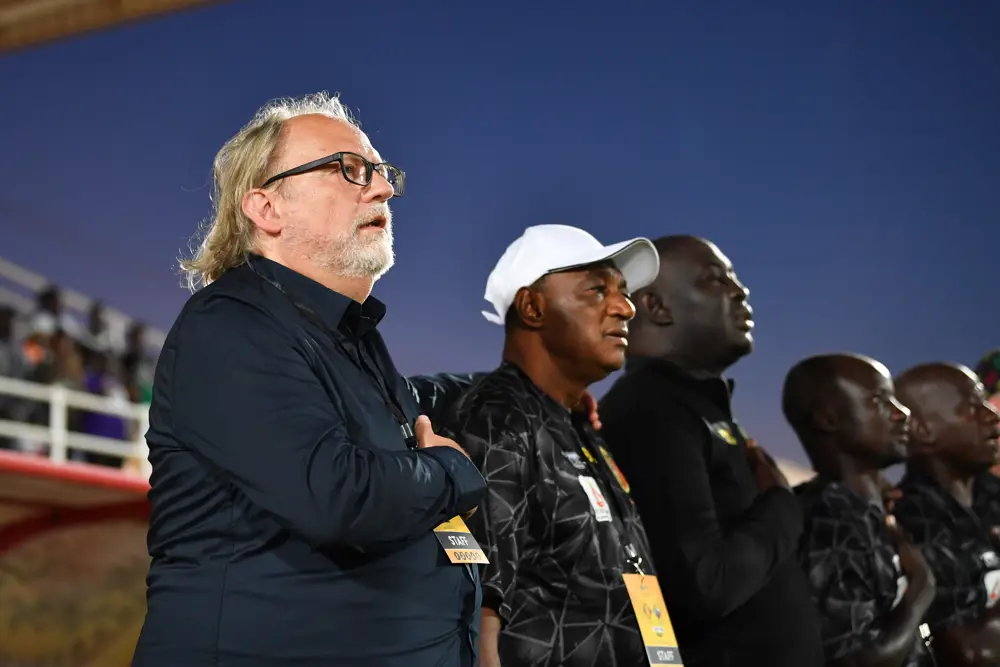
Tom Saintfiet is a well-known figure in African football. The Belgian assumed leadership of Mali with the goal of ending the curse of the Eagles, who have never won the African Nations Cup, after taking Gambia to the AFCON 2021 and 2023.
Tom Saintfiet is the leader of the swarm of Eagles. With eliminations in the final 20 minutes, the 52-year-old technician will lead Mali to the AFCON 2025 in Morocco with the goal of outperforming the previous two tournaments. Mali, who participated in just one final (1972), wants to let the Malians make an impression.
t must be said that Tom Saintfiet is considered one of the best coaches on the continent. He placed in the top 5 votes for the title of best coach of the year in 2022 and 2023.
Since his arrival at the head of Mali, he has directed 13 matches with an excellent record of 8 wins, 4 draws and 1 defeat.
Suffice to say that he arrives with achievements and the possibility of doing something. Even if the non-qualification of Mali for the 2026 World Cup seems like an oil stain. But his recent past can allow him to put everyone in his pocket.
Before being appointed coach of Mali, Tom Saintfiet led Gambia between 2018 and 2024. It was moreover under his magisterium that the Scorpions were the most prickly. While the Gambians had not won a match for 5 years, he qualified the team for the 2021 and 2023 FCON, the first two qualifiers in the country’s history.
At the AFCON 2021, played in Cameroon, Gambia achieves the feat of qualifying for the quarter-finals. Already, in the first round, Tom Saintfiet’s men finished 2nd in group F with 7 points, equal to leader Mali. The Gambia even manages to beat Tunisia in pool play (1-0). In the eighth, during the derby against Guinea, Saintfiet and his team win 1-0 before falling 0-2 to Cameroon. In 2023, the exploit is not reissued with a first round elimination. However, Saintfiet has already won hearts, and Mali entrusts him with their team in August 2024.
“We need to be focused for every game, and I’m sure the atmosphere, infrastructure and pitch will be perfect. I see that the four teams in group A are able to qualify. For us, the goal is to reach the semi-final. I said it when I signed my contract. But it will surely not be easy,”
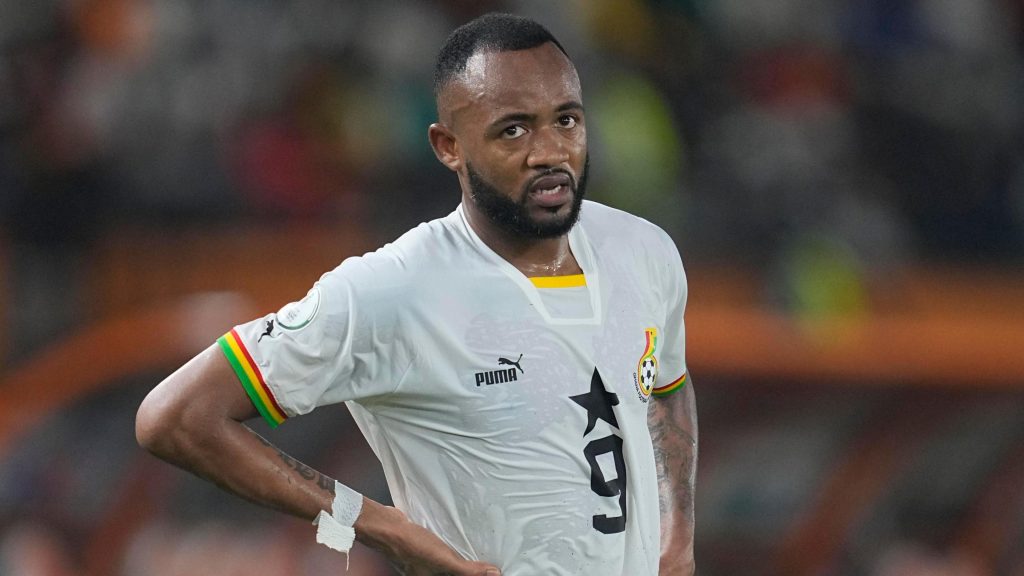
With a 1-1 draw against Angola at the 11th November Stadium in Luanda on Friday night, Ghana’s dreams of making it to the 2025 AFCON were formally crushed as the Black Stars’ losing streak continued.
With three draws and two losses in the qualifications and only two goals scored, the four-time AFCON champions have now lost five straight games.
With just three points from five games, Ghana is still at the bottom of Group F, meaning they will not be participating in the competition next year.
Following Nigeria’s unexpected 4-0 victory against Sudan, the Black Stars needed to defeat Angola and win their final match against Niger on Monday at the Accra Sports Stadium. Ghana’s slender prospects of qualifying were dashed by the Nigerians’ resounding performance.
The game against Niger now has no meaning for Ghana because there is no possibility of advancement.
Ghana will miss the Africa Cup of Nations for the first time in twenty-one years.
For the final two 2025 Africa Cup of Nations qualifiers against Angola and Niger, Ghana head coach Otto Addo is anticipated to make major roster changes for his Black Stars.
Some players from the top European leagues will not be part of the team for these games, among other adjustments.
When playing for the senior national team, many of these players have not been able to duplicate their exceptional accomplishments for their clubs.
It is currently unknown which players will be removed from the team.
On Friday, November 15, 2024, Ghana will play Angola in Luanda’s Estádio 11 de Novembro.
On Monday, November 18, three days later, the Black Stars will play their last qualification game against Niger at the Accra Sports Stadium.
With two points from four games, Ghana is now in third place in Group F, five points behind Sudan in second place and ten points behind Angola, who are leading the group.
The Black Stars have no control over qualification. Ghana needs to win its remaining matches and hope Sudan loses theirs in order to qualify.
Ghana would not be eligible for the AFCON for the first time in 20 years if Sudan were to draw.